Gold sells by the gram against a price that changes by the minute. The piece may have been your grandmother's, and the buyer may say so kindly, but the offer is arithmetic: purity times weight times the day's spot, less the buyer's margin. Sentiment is not in the formula. A buyer who talks about sentiment more than about the scale is steering you away from the number.
That is good news for anyone who knows the formula, because it means the offer can be checked. This guide is for the person who has never sold gold before, is usually holding someone else's, and would like to leave having been paid what it was worth.
Karat cannot be judged by eye
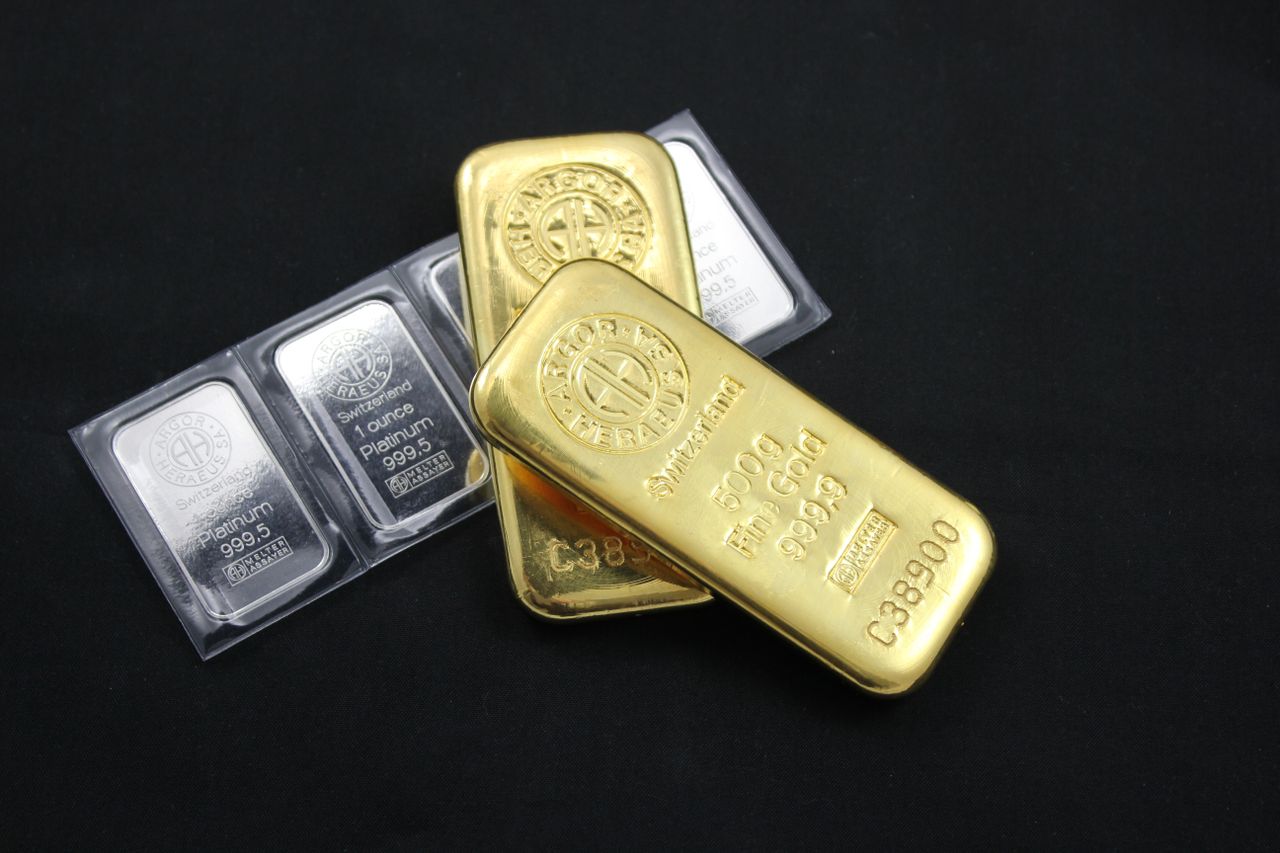
Purity is stated in karats, twenty-four parts to the whole. 24K is essentially pure, 22K is 91.7 percent gold, 18K is 75, 14K is 58.3 and 10K is 41.7. European and newer American pieces carry the same information as a three-digit fineness: 999, 916, 750, 585, 417. Color tells you nothing useful. An 18K yellow ring and a 14K ring alloyed with more copper can look identical, and white gold at any karat looks like the platinum beside it.
Stamps help, but they wear. A ring resized twice may have lost its mark in the shank. A stamp can also mislead: gold-filled items read 1/20 12K GF, plated pieces GP or HGE, and a 14K stamp sometimes sits on a clasp that was replaced with something else years ago. A buyer who reads the stamp and moves on is guessing.
The old method is acid. A small scratch on a black stone, a drop of nitric acid at a known strength, and the streak either holds or dissolves. Done properly it is accurate to within a karat, and it leaves a mark, which matters on a finished piece. The newer method is X-ray fluorescence, a handheld or benchtop unit that reads the whole alloy in seconds without touching the surface. Cheap electronic pen testers also exist; they measure conductivity and thick plating fools them. A serious counter uses XRF and reaches for acid as a second opinion. Ask which is being used on your scrap and bullion gold, and watch the reading.
Grams, pennyweight and the troy ounce
Most of the confusion at a gold counter is about units, and some of it is deliberate. Gold is priced worldwide in troy ounces. A troy ounce is 31.1035 grams, not the 28.35 grams of the ounce on a kitchen scale. American jewelers still use the pennyweight, written dwt, and there are twenty in a troy ounce, so one pennyweight is 1.555 grams.
Here is how the pennyweight is used against you. A buyer quotes $70 per pennyweight and it sounds like considerably more than $45 per gram. It is less. Convert everything to grams before comparing anything, and if a buyer will not quote in grams, you have learned something.
The cruder tricks are weighing a bracelet with its stones in, paying for the whole pile at the lowest karat in it, or using a scale you cannot see. Any business buying by weight in Florida must use a scale certified for trade, and the display should face you. Sort your pieces by karat before you go. If you own a scale that reads to a tenth of a gram, write each weight down.
Spot price and the spread
Spot is the price for immediate delivery of pure gold, per troy ounce. It moves continuously through the COMEX session, and twice a day the London Bullion Market Association fixes a benchmark most of the trade references. The afternoon London fix lands at 10 a.m. in Delray Beach. Between then and 2 p.m. the market can move twenty or thirty dollars an ounce, which is why the same chain can draw two different offers from the same counter on the same day, and why an honest buyer shows the live price on a screen instead of quoting it from memory.
From spot the buyer works down. Multiply spot by the karat fraction and divide by 31.1035, and you have melt value per gram for your alloy. With spot at $3,300, to pick a round figure, 14K melts at about $61.90 a gram and 18K at about $79.60. The offer is a percentage of that melt figure. The gap is the spread.
What a fair spread looks like depends on what is on the counter. Recognized bullion, a Krugerrand or an American Eagle, should sell within a few percent of spot because the buyer can resell it the same afternoon. Clean scrap in quantity should bring 90 percent of melt or better at a specialist. Small lots of mixed jewelry bring somewhat less, since refining carries fixed costs. Anything under 75 percent for ordinary scrap is the buyer's margin, not the market.
What is worth more than its melt
Some gold should never reach the refiner, and a melt-only buyer has no reason to tell you which. Pre-1933 American gold, Saint-Gaudens double eagles and Liberty Head half eagles, carries a premium over metal that depends on date, mint mark and condition. A common-date $20 in worn grade brings a little over melt. The same coin with a CC mint mark from Carson City can be worth several times that. None of this can be sorted by weight. An inherited coin collection needs to be gone through coin by coin before a single one is put on the scale.
Signed jewelry is the other large category. Cartier, Van Cleef & Arpels, Tiffany, Bulgari, David Webb, Buccellati: the signature is worth more than the gold, sometimes many times more, and the piece goes to a jewelry buyer rather than the melt pot. So does unsigned work of obvious quality, a hand-fabricated Retro bracelet from the 1940s or a maker's mark you do not recognize. Estate and designer jewelry is a different transaction from scrap and should be priced as one.
Then the stones. A melt buyer either deducts their weight or treats them as worthless. A diamond over half a carat, a good sapphire, an old European cut in a platinum head, all of these are worth pulling and pricing on their own. A proper counter pulls them in front of you or prices the piece intact, whichever pays you more.
Where sellers quietly lose money
- Polishing. It removes metal, and on a signed or antique piece it removes the surface the buyer is paying for. Leave it alone.
- Mail-in envelopes. The postage-paid pouch from a television ad pays a fraction of melt, and by the time you dispute it the item has usually been processed. There is no scale to watch.
- Percentages of nothing. A sign reading "We pay 95%" without saying 95 percent of what means nothing. Ninety-five percent of a buyer's own "base price" can be sixty percent of melt.
- Splitting a set. Earrings sold in two places, a suite broken up, a coin collection sold a handful at a time. The buyer who takes the best pieces first leaves you holding the rest.
- The pawnshop counter. Pawnshops buy gold, but their business is loans, and purchase offers of 40 to 60 percent of melt are usual.
- Cash without paper. A buyer who prefers not to record the sale is not doing you a favor. He is avoiding the state's reporting rules, and you have no record if anything is questioned later.
What a proper counter does differently
The test is visible. You see the XRF reading or you watch the acid go on. The scale is certified, its display faces you, and each karat group is weighed on its own. Spot is on a screen with the time beside it. The buyer states the percentage and the reason for it, and the arithmetic goes on paper you take home. If a piece is signed or a coin is better than common, the buyer says so before the offer, because the buyer's reputation depends on the seller not finding out afterward.
You are also not rushed. An offer that expires when you walk out is a negotiating tactic. Spot will move overnight, and a fair buyer simply requotes against tomorrow's price.
What to bring
Florida regulates precious-metal purchases under Chapter 538 of the state statutes. Every seller presents government-issued photo identification, a driver's license or passport, and the dealer records a description of each item with the seller's signature and thumbprint. Those records go to law enforcement. This is not the buyer suspecting you. It is how stolen goods are traced, and a buyer who skips it is not one to sell to.
Beyond the ID, bring whatever paperwork exists: appraisals, receipts, boxes, stone certificates, original coin holders. If you are an executor, bring letters of administration, since payment must go to whoever the estate entitles. Bring everything at once and clean nothing. If you would like a sense of value before making the trip, bring it in or send photographs with any stamps visible and a weight to a tenth of a gram if you have one.